
Articles | Volume 22, issue 1
https://doi.org/10.5194/os-22-531-2026
© Author(s) 2026. This work is distributed under
the Creative Commons Attribution 4.0 License.
the Creative Commons Attribution 4.0 License.
https://doi.org/10.5194/os-22-531-2026
© Author(s) 2026. This work is distributed under
the Creative Commons Attribution 4.0 License.
the Creative Commons Attribution 4.0 License.
Research article
| 
11 Feb 2026
Research article |
| 11 Feb 2026
| 11 Feb 2026
Externally-forced and intrinsic variability of the Mediterranean surface and overturning circulations
Damien Héron
CORRESPONDING AUTHOR

Université Grenoble Alpes, CNRS, INRAE, IRD, Grenoble INP, Institut des Géosciences de l’Environnement (IGE), Grenoble, France
Thierry Penduff
Université Grenoble Alpes, CNRS, INRAE, IRD, Grenoble INP, Institut des Géosciences de l’Environnement (IGE), Grenoble, France
Jean-Michel Brankart
Université Grenoble Alpes, CNRS, INRAE, IRD, Grenoble INP, Institut des Géosciences de l’Environnement (IGE), Grenoble, France
Pierre Brasseur
Université Grenoble Alpes, CNRS, INRAE, IRD, Grenoble INP, Institut des Géosciences de l’Environnement (IGE), Grenoble, France
Samuel Somot
Météo-France, CNRS, Univ. Toulouse, CNRM, Toulouse, France
Robin Waldman
Météo-France, CNRS, Univ. Toulouse, CNRM, Toulouse, France
Romain Pennel
Laboratoire de Météorologie Dynamique (LMD)/IPSL, Ecole Polytechnique, Institut Polytechnique de Paris, ENS, Université PSL, Sorbonne Université, CNRS, Palaiseau, France
Related authors
Jean-Michel Brankart, Damien Héron, Lisa Weiss, Thierry Penduff, and Pierre Brasseur
Ocean Sci., 22, 3207–3224, https://doi.org/10.5194/os-22-3207-2026, https://doi.org/10.5194/os-22-3207-2026, 2026
Short summary
Short summary
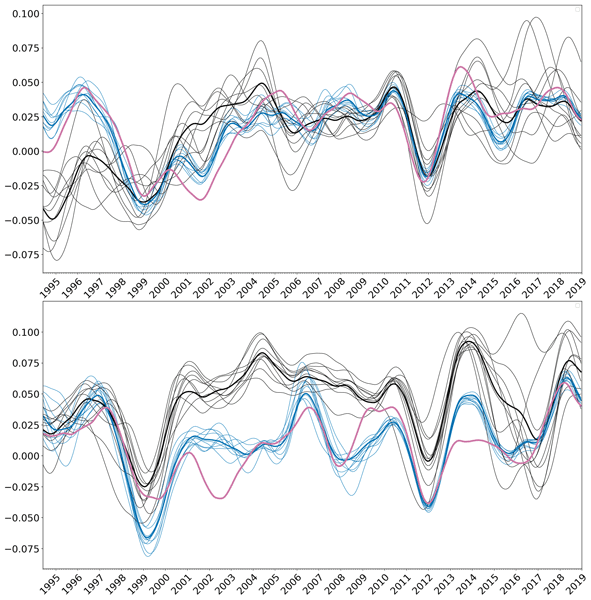
In this paper, an ensemble method is proposed to estimate directly the low-frequency component of the ocean variability from native observations using statistics from a prior long-term ensemble simulation. The approach is illustrated by the reconstruction of the low-frequency variability of the Mediterranean sea level from along-track altimetric observations over 26 years. The resulting ensemble estimate is assessed against independent observations, showing good reliability.
Jean-Michel Brankart, Damien Héron, Lisa Weiss, Thierry Penduff, and Pierre Brasseur
Ocean Sci., 22, 3207–3224, https://doi.org/10.5194/os-22-3207-2026, https://doi.org/10.5194/os-22-3207-2026, 2026
Short summary
Short summary
In this paper, an ensemble method is proposed to estimate directly the low-frequency component of the ocean variability from native observations using statistics from a prior long-term ensemble simulation. The approach is illustrated by the reconstruction of the low-frequency variability of the Mediterranean sea level from along-track altimetric observations over 26 years. The resulting ensemble estimate is assessed against independent observations, showing good reliability.
Loïc Macé, Luc Vandenbulcke, Jean-Michel Brankart, Jean-François Grailet, Pierre Brasseur, and Marilaure Grégoire
Geosci. Model Dev., 19, 9077–9102, https://doi.org/10.5194/gmd-19-9077-2026, https://doi.org/10.5194/gmd-19-9077-2026, 2026
Short summary
Short summary
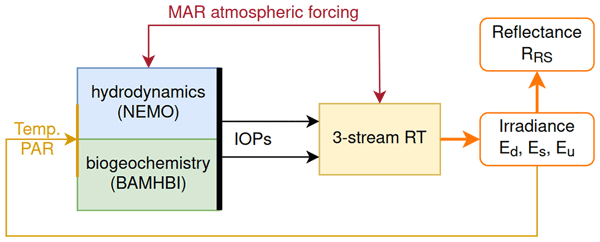
We present a three-stream radiative transfer model within the NEMO (Nucleus for European Modelling of the Ocean) framework and a use case for the Black Sea. The model is able to simulate in-water irradiance and sea surface reflectance in a wide spectral range. When coupled with an ecosystem model, the simulated irradiances are used to compute water temperature and primary production. A stochastic version of this model is also proposed to inform on uncertainties in the optical properties of seawater.
Francesco De Rovere, Giulia Bonino, Ronan McAdam, Enrico Scoccimarro, Samuel Somot, Iván M. Parras-Berrocal, Bodo Ahrens, Vladimir Djurdjevic, Laurent Li, and Simona Masina
Ocean Sci., 22, 2725–2742, https://doi.org/10.5194/os-22-2725-2026, https://doi.org/10.5194/os-22-2725-2026, 2026
Short summary
Short summary
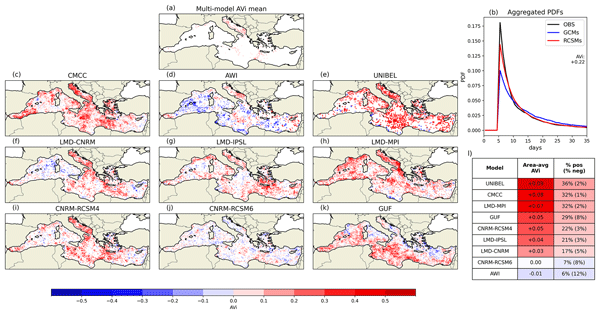
Marine heatwaves in the Mediterranean Sea are intensifying, posing growing threats to marine life and coastal communities. We evaluated if high-resolution regional climate models better capture these extremes compared to the global models driving them. Regional models reliably improve sea surface temperature patterns and marine heatwave duration, but struggle more with heatwave intensity. Higher horizontal resolution alone is not enough, advances in other model components are equally needed.
Yutong Zhang, Pierre Brasseur, Melika Baklouti, and Jean-Michel Brankart
EGUsphere, https://doi.org/10.5194/egusphere-2026-5134, https://doi.org/10.5194/egusphere-2026-5134, 2026
This preprint is open for discussion and under review for Ocean Science (OS).
Short summary
Short summary
This study examines how parameter-induced uncertainty affects marine biogeochemical model outputs and whether simplified model versions preserve these uncertainty distributions. Parameter-induced uncertainty is concentrated during the spring bloom and near the nutricline and deep chlorophyll maximum. Simplification affects oxygen, plankton, and carbon export differently, while using annual or depth-integrated ecosystem indicators may mask changes occurring at specific times or depths.
Lohenn Fiol, Stephanie Leroux, Pierre Rampal, and Jean-Michel Brankart
The Cryosphere, 20, 4655–4680, https://doi.org/10.5194/tc-20-4655-2026, https://doi.org/10.5194/tc-20-4655-2026, 2026
Short summary
Short summary
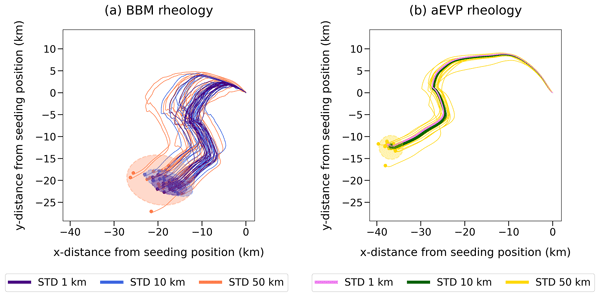
We examine how uncertainty in the initial position of sea ice features (leads, ridges), affects daily-to-weekly winter sea-ice forecasts. Using ensemble simulations with a sea ice–ocean model, we compare two formulations of sea ice mechanics. We show that pack-ice dynamics are highly sensitive to this choice: one formulation strongly amplifies small initial errors, while the other damps them. Our results highlight the need for ensemble forecasts to capture uncertainty and risks in the Arctic.
Alejandro Blazquez, Benoit Meyssignac, Robin Fraudeau, Michael Ablain, Jonathan Bamber, Antonio Bonaduce, Marie Bouih, Anny Cazenave, Thorben Döhne, Ines Dussaillant, Ramiro Ferrari, Martin Horwath, Nicolas Kolodziejczyk, Hugo Lecomte, Stephanie Leroux, William Llovel, Daniele Melini, Erwan Oulhen, Thierry Penduff, Roshin P. Raj, Giorgio Spada, Marius Schlaak, Papasarafianou Stamatia, Andrea Storto, Chunxue Yang, and Sarah Connors
Earth Syst. Sci. Data Discuss., https://doi.org/10.5194/essd-2026-627, https://doi.org/10.5194/essd-2026-627, 2026
Preprint under review for ESSD
Short summary
Short summary
Closing the sea‑level budget on annual and longer time scales is a cornerstone of physical oceanography because sea‑level rise is one of the best indicators of climate change, and a closed budget shows we have identified and quantified all major drivers. We examined it from 1993 to 2022, finding an accelerated rise that matched ice melt and warm water until 2015. Afterwards an unexplained gap appears. Better deep‑ocean observations and refined gravity processing are needed to close the budget.
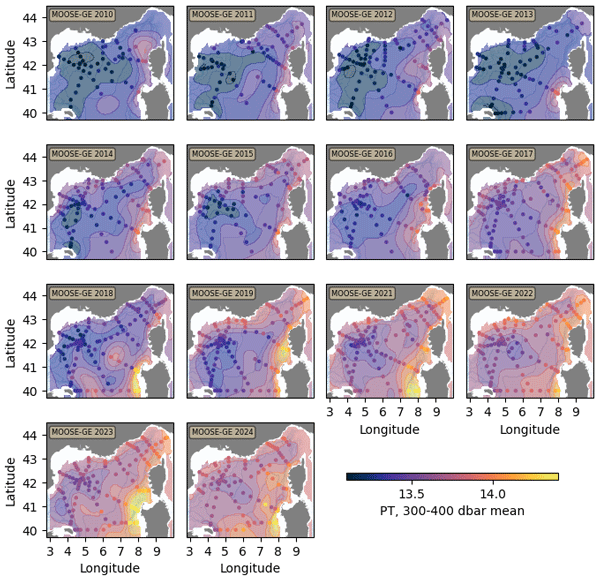
Laurent Coppola, Anthony Bosse, Thibaut Wagener, Dominique Lefevre, Magali Lescot, François Carlotti, Fabien Lombard, Lionel Guidi, Fabrice Not, Xavier Durrieu de Madron, Pascal Conan, Mireille Pujo-Pay, Caroline Ulses, Samuel Somot, Claude Estournel, Emilie Diamond Riquier, Céline Laus, Nathalie Leblond, Matthieu Labaste, Patrice Bretel, Melek Golbol, Stephane Kunesch, Jennifer Sola, Laure Chirurgien, Sandra Nunige, Sarah Romac, and Pierre Testor
Earth Syst. Sci. Data, 18, 5303–5327, https://doi.org/10.5194/essd-18-5303-2026, https://doi.org/10.5194/essd-18-5303-2026, 2026
Short summary
Short summary
The Mediterranean Ocean Observing System for the Environment program investigated the fast-changing northwestern Mediterranean through annual cruises from 2010 to 2024. Using consistent surface-to-seafloor measurements, checked against fixed and autonomous platforms, we find intermediate and deep waters warming and getting saltier, oxygen declining and dissolved carbon rising, indicating progressing acidification. These trends can reshape ecosystems and stress the need for sustained monitoring.
Erwan Le Roux, Pierre Tandeo, Carlos Granero Belinchon, Melika Baklouti, Julien Le Sommer, Florence Sevault, Samuel Somot, Antoine Doury, and Mahmoud Al Najar
EGUsphere, https://doi.org/10.5194/egusphere-2026-1991, https://doi.org/10.5194/egusphere-2026-1991, 2026
Short summary
Short summary
Projected impacts of climate change are assessed with impact models driven by climate projections. However, impact models can have a high computational cost. Here, we design statistical emulators of impact models based on automatic equation discovery. To our knowledge, this approach is a promising innovation that could pave the way to develop simple and interpretable emulators for various climate impact studies, but also to validate existing knowledge and to understand novel links.
Quentin-Boris Barral, Claude Estournel, Robin Waldman, Ivan Parras-Berrocal, Patrick Marsaleix, and Florence Sevault
EGUsphere, https://doi.org/10.5194/egusphere-2026-1480, https://doi.org/10.5194/egusphere-2026-1480, 2026
This preprint is open for discussion and under review for Ocean Science (OS).
Short summary
Short summary
Surface waters of the western Mediterranean Sea are warming rapidly. Using a very detailed computer simulation of future climate conditions under strong greenhouse gas emissions, we examined how ocean circulation could change. The results suggest that the main coastal current may become wider and less stable, allowing a large rotating circulation to appear seasonally near the Balearic Islands and modifying the regional transport of heat and salt.
Sofia Darmaraki, Marco Reale, Robin Waldman, and Vasiliki Metheniti
EGUsphere, https://doi.org/10.5194/egusphere-2026-962, https://doi.org/10.5194/egusphere-2026-962, 2026
Short summary
Short summary
Extreme cold temperature events in the ocean can strongly affect marine life, yet little is known about how they will change in the future. We studied past and future occurrence of these events in the Mediterranean Sea, using a regional, high resolution climate model.We find that they will become rarer, shorter,weaker and will shift northward, with higher global warming levels. These changes may affect sensitive ecosystems, biodiversity and fisheries and socioeconomic systems relaying on them.
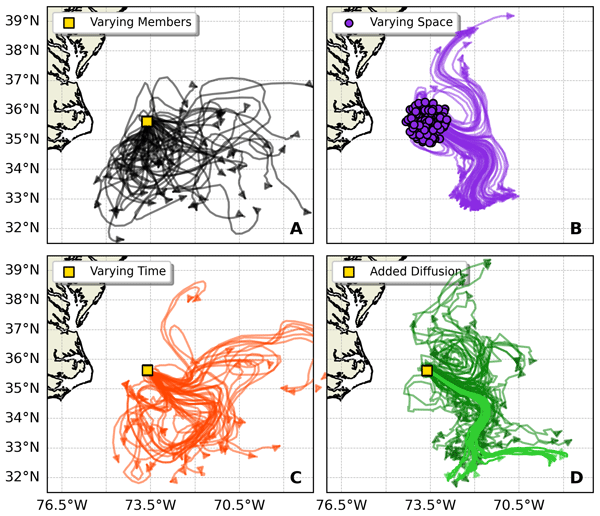
Claudio M. Pierard, Siren Rühs, Laura Gómez-Navarro, Michael Charles Denes, Florian Meirer, Thierry Penduff, and Erik van Sebille
Nonlin. Processes Geophys., 32, 411–438, https://doi.org/10.5194/npg-32-411-2025, https://doi.org/10.5194/npg-32-411-2025, 2025
Short summary
Short summary
Particle-tracking simulations compute how ocean currents transport material. However, initializing these simulations is often ad hoc. Here, we explore how two different strategies (releasing particles over space or over time) compare. Specifically, we compare the variability in particle trajectories to the variability of particles computed in a 50-member ensemble simulation. We find that releasing the particles over 20 weeks gives variability that is most like that in the ensemble.

Loïc Macé, Luc Vandenbulcke, Jean-Michel Brankart, Pierre Brasseur, and Marilaure Grégoire
Biogeosciences, 22, 3747–3768, https://doi.org/10.5194/bg-22-3747-2025, https://doi.org/10.5194/bg-22-3747-2025, 2025
Short summary
Short summary
The representation of light propagation in seawater is critical for modelling marine biogeochemistry. We analyse results from a radiative transfer model that accounts for the absorption and scattering of light in the ocean with their respective uncertainties. We compare these results with in situ and remote-sensed data. Our analysis highlights the benefits of accounting for model uncertainties while using advanced representations of light in modelling frameworks.

Lara Börger, Michael Schindelegger, Mengnan Zhao, Rui M. Ponte, Anno Löcher, Bernd Uebbing, Jean-Marc Molines, and Thierry Penduff
Earth Syst. Dynam., 16, 75–90, https://doi.org/10.5194/esd-16-75-2025, https://doi.org/10.5194/esd-16-75-2025, 2025
Short summary
Short summary
Flows in the ocean are driven either by atmospheric forces or by small-scale internal disturbances that are inherently chaotic. We use computer simulation results to show that these chaotic oceanic disturbances can attain spatial scales large enough to alter the motion of Earth's pole of rotation. Given their size and unpredictable nature, the chaotic signals are a source of uncertainty when interpreting observed year-to-year polar motion changes in terms of other processes in the Earth system.
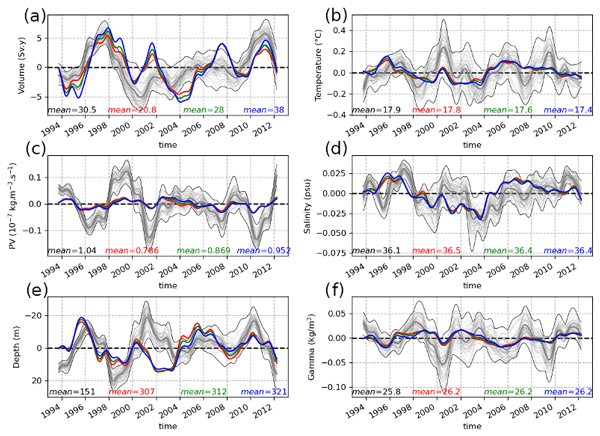
Olivier Narinc, Thierry Penduff, Guillaume Maze, Stéphanie Leroux, and Jean-Marc Molines
Ocean Sci., 20, 1351–1365, https://doi.org/10.5194/os-20-1351-2024, https://doi.org/10.5194/os-20-1351-2024, 2024
Short summary
Short summary
This study examines how the ocean's chaotic variability and atmospheric fluctuations affect yearly changes in North Atlantic Subtropical Mode Water (STMW) properties, using an ensemble of realistic ocean simulations. Results show that while yearly changes in STMW properties are mostly paced by the atmosphere, a notable part of these changes are random in phase. This study also illustrates the value of ensemble simulations over single runs in understanding oceanic fluctuations and their causes.

Colin G. Jones, Fanny Adloff, Ben B. B. Booth, Peter M. Cox, Veronika Eyring, Pierre Friedlingstein, Katja Frieler, Helene T. Hewitt, Hazel A. Jeffery, Sylvie Joussaume, Torben Koenigk, Bryan N. Lawrence, Eleanor O'Rourke, Malcolm J. Roberts, Benjamin M. Sanderson, Roland Séférian, Samuel Somot, Pier Luigi Vidale, Detlef van Vuuren, Mario Acosta, Mats Bentsen, Raffaele Bernardello, Richard Betts, Ed Blockley, Julien Boé, Tom Bracegirdle, Pascale Braconnot, Victor Brovkin, Carlo Buontempo, Francisco Doblas-Reyes, Markus Donat, Italo Epicoco, Pete Falloon, Sandro Fiore, Thomas Frölicher, Neven S. Fučkar, Matthew J. Gidden, Helge F. Goessling, Rune Grand Graversen, Silvio Gualdi, José M. Gutiérrez, Tatiana Ilyina, Daniela Jacob, Chris D. Jones, Martin Juckes, Elizabeth Kendon, Erik Kjellström, Reto Knutti, Jason Lowe, Matthew Mizielinski, Paola Nassisi, Michael Obersteiner, Pierre Regnier, Romain Roehrig, David Salas y Mélia, Carl-Friedrich Schleussner, Michael Schulz, Enrico Scoccimarro, Laurent Terray, Hannes Thiemann, Richard A. Wood, Shuting Yang, and Sönke Zaehle
Earth Syst. Dynam., 15, 1319–1351, https://doi.org/10.5194/esd-15-1319-2024, https://doi.org/10.5194/esd-15-1319-2024, 2024
Short summary
Short summary
We propose a number of priority areas for the international climate research community to address over the coming decade. Advances in these areas will both increase our understanding of past and future Earth system change, including the societal and environmental impacts of this change, and deliver significantly improved scientific support to international climate policy, such as future IPCC assessments and the UNFCCC Global Stocktake.
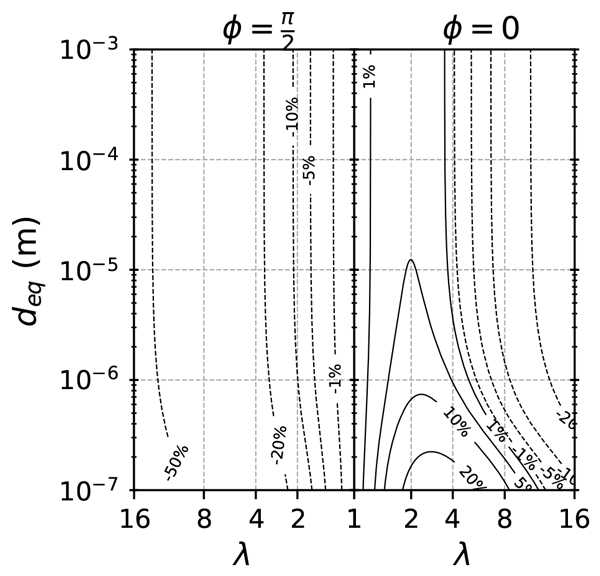
Sylvain Mailler, Sotirios Mallios, Arineh Cholakian, Vassilis Amiridis, Laurent Menut, and Romain Pennel
Geosci. Model Dev., 17, 5641–5655, https://doi.org/10.5194/gmd-17-5641-2024, https://doi.org/10.5194/gmd-17-5641-2024, 2024
Short summary
Short summary
We propose two explicit expressions to calculate the settling speed of solid atmospheric particles with prolate spheroidal shapes. The first formulation is based on theoretical arguments only, while the second one is based on computational fluid dynamics calculations. We show that the first method is suitable for virtually all atmospheric aerosols, provided their shape can be adequately described as a prolate spheroid, and we provide an implementation of the first method in AerSett v2.0.2.
Laurent Menut, Arineh Cholakian, Romain Pennel, Guillaume Siour, Sylvain Mailler, Myrto Valari, Lya Lugon, and Yann Meurdesoif
Geosci. Model Dev., 17, 5431–5457, https://doi.org/10.5194/gmd-17-5431-2024, https://doi.org/10.5194/gmd-17-5431-2024, 2024
Short summary
Short summary
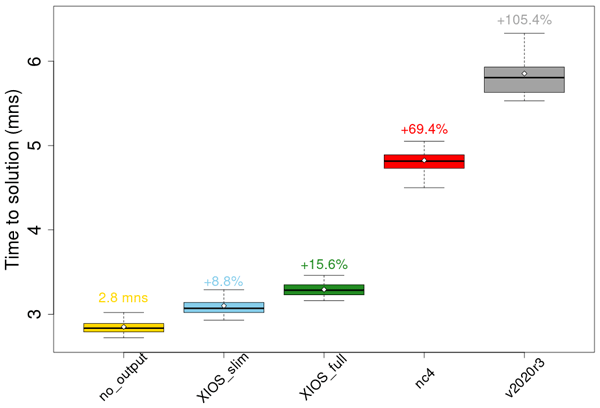
A new version of the CHIMERE model is presented. This version contains both computational and physico-chemical changes. The computational changes make it easy to choose the variables to be extracted as a result, including values of maximum sub-hourly concentrations. Performance tests show that the model is 1.5 to 2 times faster than the previous version for the same setup. Processes such as turbulence, transport schemes and dry deposition have been modified and updated.
Laurent Menut, Bertrand Bessagnet, Arineh Cholakian, Guillaume Siour, Sylvain Mailler, and Romain Pennel
Geosci. Model Dev., 17, 3645–3665, https://doi.org/10.5194/gmd-17-3645-2024, https://doi.org/10.5194/gmd-17-3645-2024, 2024
Short summary
Short summary
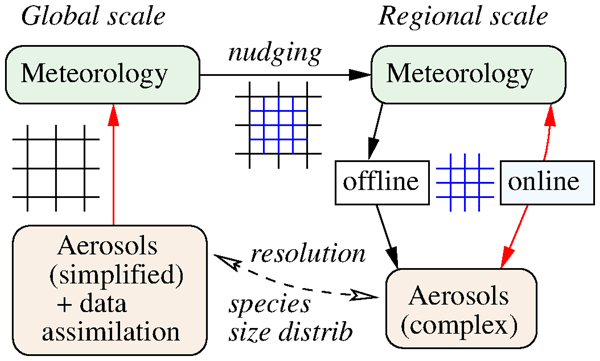
This study is about the modelling of the atmospheric composition in Europe during the summer of 2022, when massive wildfires were observed. It is a sensitivity study dedicated to the relative impacts of two modelling processes that are able to modify the meteorology used for the calculation of the atmospheric chemistry and transport of pollutants.
Mikhail Popov, Jean-Michel Brankart, Arthur Capet, Emmanuel Cosme, and Pierre Brasseur
Ocean Sci., 20, 155–180, https://doi.org/10.5194/os-20-155-2024, https://doi.org/10.5194/os-20-155-2024, 2024
Short summary
Short summary
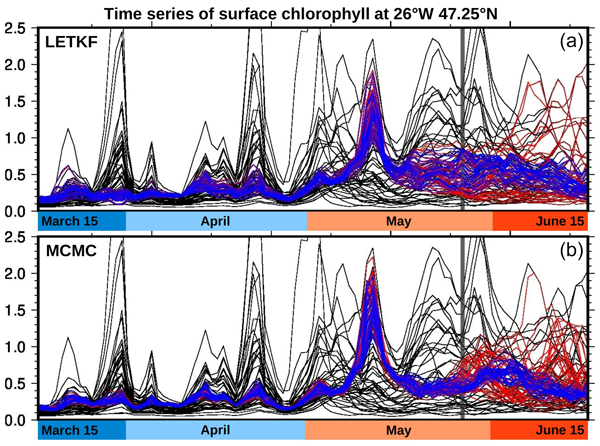
This study contributes to the development of methods to estimate targeted ocean ecosystem indicators, including their uncertainty, in the framework of the Copernicus Marine Service. A simplified approach is introduced to perform a 4D ensemble analysis and forecast, directly targeting selected biogeochemical variables and indicators (phenology, trophic efficiency, downward flux of organic matter). Care is taken to present the methods and discuss the reliability of the solution proposed.
Sylvain Mailler, Romain Pennel, Laurent Menut, and Arineh Cholakian
Geosci. Model Dev., 16, 7509–7526, https://doi.org/10.5194/gmd-16-7509-2023, https://doi.org/10.5194/gmd-16-7509-2023, 2023
Short summary
Short summary
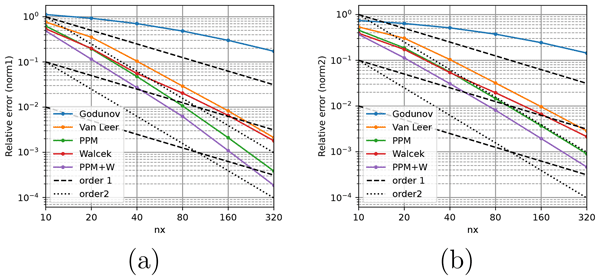
We show that a new advection scheme named PPM + W (piecewise parabolic method + Walcek) offers geoscientific modellers an alternative, high-performance scheme designed for Cartesian-grid advection, with improved performance over the classical PPM scheme. The computational cost of PPM + W is not higher than that of PPM. With improved accuracy and controlled computational cost, this new scheme may find applications in chemistry-transport models, ocean models or atmospheric circulation models.
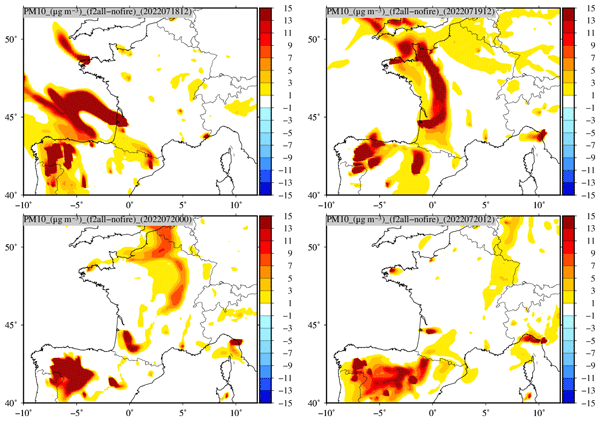
Laurent Menut, Arineh Cholakian, Guillaume Siour, Rémy Lapere, Romain Pennel, Sylvain Mailler, and Bertrand Bessagnet
Atmos. Chem. Phys., 23, 7281–7296, https://doi.org/10.5194/acp-23-7281-2023, https://doi.org/10.5194/acp-23-7281-2023, 2023
Short summary
Short summary
This study is about the wildfires occurring in France during the summer 2022. We study the forest fires that took place in the Landes during the summer of 2022. We show the direct impact of these fires on the air quality, especially downstream of the smoke plume towards the Paris region. We quantify the impact of these fires on the pollutants peak concentrations and the possible exceedance of thresholds.
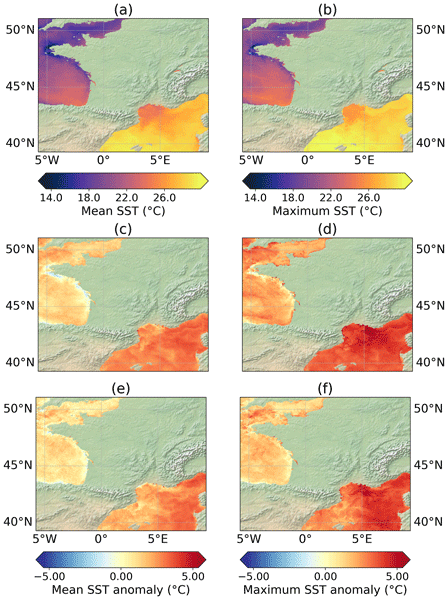
Thibault Guinaldo, Aurore Voldoire, Robin Waldman, Stéphane Saux Picart, and Hervé Roquet
Ocean Sci., 19, 629–647, https://doi.org/10.5194/os-19-629-2023, https://doi.org/10.5194/os-19-629-2023, 2023
Short summary
Short summary
In the summer of 2022, France experienced a series of unprecedented heatwaves. This study is the first to examine the response of sea surface temperatures to these events, using spatial operational data and attributing the observed abnormally warm SSTs to atmospheric forcings. The findings of this study underscore the critical need for an efficient and sustainable operational system to monitor alterations that threaten the oceans in the context of climate change.
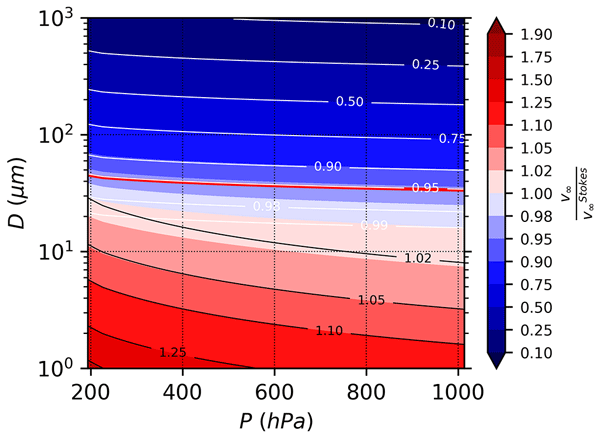
Sylvain Mailler, Laurent Menut, Arineh Cholakian, and Romain Pennel
Geosci. Model Dev., 16, 1119–1127, https://doi.org/10.5194/gmd-16-1119-2023, https://doi.org/10.5194/gmd-16-1119-2023, 2023
Short summary
Short summary
Large or even
giantparticles of mineral dust exist in the atmosphere but, so far, solving an non-linear equation was needed to calculate the speed at which they fall in the atmosphere. The model we present, AerSett v1.0 (AERosol SETTling version 1.0), provides a new and simple way of calculating their free-fall velocity in the atmosphere, which will be useful to anyone trying to understand and represent adequately the transport of giant dust particles by the wind.

Stephanie Leroux, Jean-Michel Brankart, Aurélie Albert, Laurent Brodeau, Jean-Marc Molines, Quentin Jamet, Julien Le Sommer, Thierry Penduff, and Pierre Brasseur
Ocean Sci., 18, 1619–1644, https://doi.org/10.5194/os-18-1619-2022, https://doi.org/10.5194/os-18-1619-2022, 2022
Short summary
Short summary
The goal of the study is to evaluate the predictability of the ocean circulation
at a kilometric scale, in order to anticipate the requirements of the future operational forecasting systems. For that purpose, ensemble experiments have been performed with a regional model for the Western Mediterranean (at 1/60° horizontal resolution). From these ensemble experiments, we show that it is possible to compute targeted predictability scores, which depend on initial and model uncertainties.
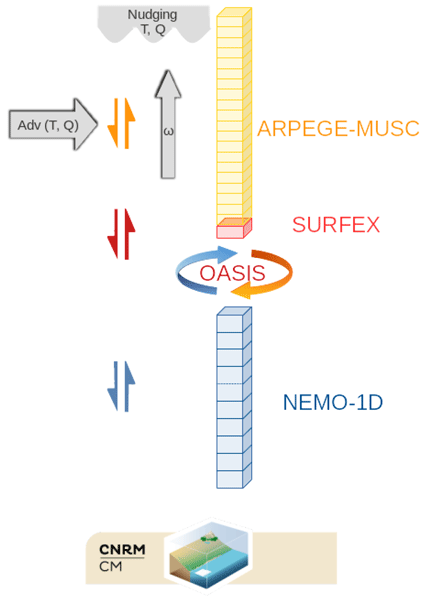
Aurore Voldoire, Romain Roehrig, Hervé Giordani, Robin Waldman, Yunyan Zhang, Shaocheng Xie, and Marie-Nöelle Bouin
Geosci. Model Dev., 15, 3347–3370, https://doi.org/10.5194/gmd-15-3347-2022, https://doi.org/10.5194/gmd-15-3347-2022, 2022
Short summary
Short summary
A single-column version of the global climate model CNRM-CM6-1 has been designed to ease development and validation of the model physics at the air–sea interface in a simplified environment. This model is then used to assess the ability to represent the sea surface temperature diurnal cycle. We conclude that the sea surface temperature diurnal variability is reasonably well represented in CNRM-CM6-1 with a 1 h coupling time step and the upper-ocean model resolution of 1 m.
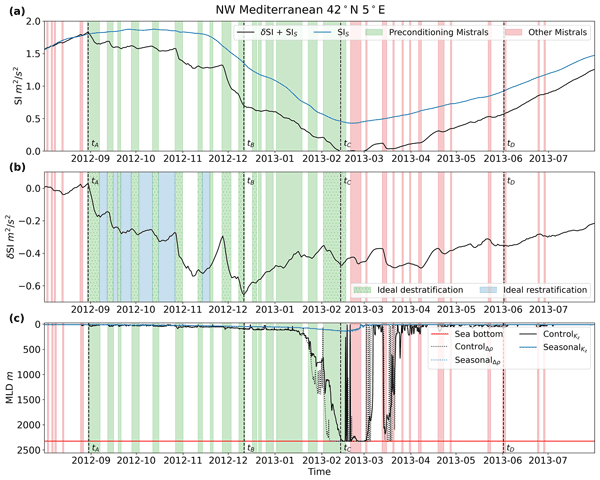
Douglas Keller Jr., Yonatan Givon, Romain Pennel, Shira Raveh-Rubin, and Philippe Drobinski
Ocean Sci., 18, 483–510, https://doi.org/10.5194/os-18-483-2022, https://doi.org/10.5194/os-18-483-2022, 2022
Short summary
Short summary
The mistral winds are believed to be the primary source of cooling of the Gulf of Lion, leading to deep convection in the region, a process that mixes the ocean column from the seafloor to the sea surface. However, we have found that seasonal atmospheric changes also significantly cool the Gulf of Lion waters to cause deep convection, rather than mistral winds being the sole source, contributing roughly two-thirds of the required cooling, with the mistral winds contributing the final third.
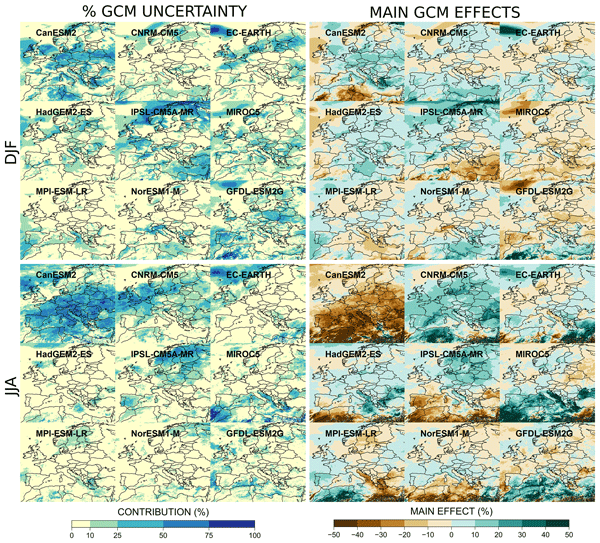
Guillaume Evin, Samuel Somot, and Benoit Hingray
Earth Syst. Dynam., 12, 1543–1569, https://doi.org/10.5194/esd-12-1543-2021, https://doi.org/10.5194/esd-12-1543-2021, 2021
Short summary
Short summary
This research paper proposes an assessment of mean climate change responses and related uncertainties over Europe for mean seasonal temperature and total seasonal precipitation. An advanced statistical approach is applied to a large ensemble of 87 high-resolution EURO-CORDEX projections. For the first time, we provide a comprehensive estimation of the relative contribution of GCMs and RCMs, RCP scenarios, and internal variability to the total variance of a very large ensemble.
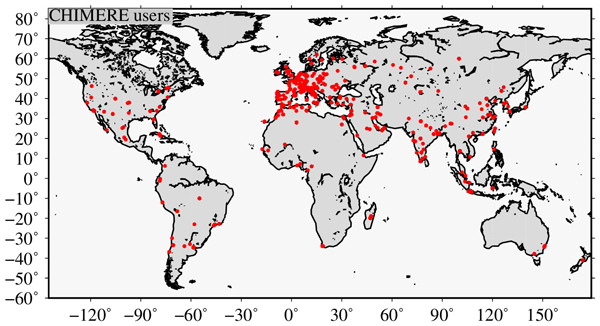
Laurent Menut, Bertrand Bessagnet, Régis Briant, Arineh Cholakian, Florian Couvidat, Sylvain Mailler, Romain Pennel, Guillaume Siour, Paolo Tuccella, Solène Turquety, and Myrto Valari
Geosci. Model Dev., 14, 6781–6811, https://doi.org/10.5194/gmd-14-6781-2021, https://doi.org/10.5194/gmd-14-6781-2021, 2021
Short summary
Short summary
The CHIMERE chemistry-transport model is presented in its new version, V2020r1. Many changes are proposed compared to the previous version. These include online modeling, new parameterizations for aerosols, new emissions schemes, a new parameter file format, the subgrid-scale variability of urban concentrations and new transport schemes.
Cited articles
Adloff, F., Somot, S., Sevault, F., Jordà, G., Aznar, R., Déqué, M., Herrmann, M., Marcos, M., Dubois, C., Padorno, E., Alvarez-Fanjul, E., and Gomis, D.: Mediterranean Sea response to climate change in an ensemble of twenty first century scenarios, Climate Dynamics, 45, 2775–2802, https://doi.org/10.1007/s00382-015-2507-3, 2015. a
Adloff, F., Jordà, G., Somot, S., Sevault, F., Arsouze, T., Meyssignac, B., Li, L., and Planton, S.: Improving sea level simulation in Mediterranean regional climate models, Climate Dynamics, 51, 1167–1178, https://doi.org/10.1007/s00382-017-3842-3, 2018. a
Balmaseda, M. A., Trenberth, K. E., and Källén, E.: Distinctive climate signals in reanalysis of global ocean heat content, Geophysical Research Letters, 40, 1754–1759, https://doi.org/10.1002/grl.50382, 2013. a
Benincasa, R., Liguori, G., Pinardi, N., and von Storch, H.: Internal and forced ocean variability in the Mediterranean Sea, Ocean Science 20, 1003–1012, https://doi.org/10.5194/os-20-1003-2024, 2024. a, b, c
Bessières, L., Leroux, S., Brankart, J.-M., Molines, J.-M., Moine, M.-P., Bouttier, P.-A., Penduff, T., Terray, L., Barnier, B., and Sérazin, G.: Development of a probabilistic ocean modelling system based on NEMO 3.5: application at eddying resolution, Geoscientific Model Development, 10, 1091–1106, https://doi.org/10.5194/gmd-10-1091-2017, 2017. a, b
Beuvier, J., Béranger, K., Lebeaupin Brossier, C., Somot, S., Sevault, F., Drillet, Y., Bourdallé‐Badie, R., Ferry, N., and Lyard, F.: Spreading of the Western Mediterranean Deep Water after winter 2005: Time scales and deep cyclone transport, Journal of Geophysical Research: Oceans, 117, 2011JC007679, https://doi.org/10.1029/2011JC007679, 2012. a, b, c
Carret, A., Llovel, W., Penduff, T., and Molines, J.: Atmospherically Forced and Chaotic Interannual Variability of Regional Sea Level and Its Components Over 1993–2015, Journal of Geophysical Research: Oceans, 126, e2020JC017123, https://doi.org/10.1029/2020JC017123, 2021. a, b
Civitarese, G., Gačić, M., Batistić, M., Bensi, M., Cardin, V., Dulčić, J., Garić, R., and Menna, M.: The BiOS mechanism: History, theory, implications, Progress in Oceanography, 216, 103056, https://doi.org/10.1016/j.pocean.2023.103056, 2023. a
Colin, J., Déqué, M., Radu, R., and Somot, S.: Sensitivity study of heavy precipitation in Limited Area Model climate simulations: influence of the size of the domain and the use of the spectral nudging technique, Tellus A: Dynamic Meteorology and Oceanography, 62, 591, https://doi.org/10.1111/j.1600-0870.2010.00467.x, 2010. a
Copernicus Marine Service Information (CMEMS): European Seas Gridded L 4 Sea Surface Heights And Derived Variables Reprocessed 1993 Ongoing, E.U. Marine Data Store (MDS) [data set], https://doi.org/10.48670/moi-00141, 2026. a
Demirov, E. and Pinardi, N.: Simulation of the Mediterranean Sea circulation from 1979 to 1993: Part I. The interannual variability, Journal of Marine Systems, 33-34, 23–50, https://doi.org/10.1016/S0924-7963(02)00051-9, 2002. a
Demirov, E. K. and Pinardi, N.: On the relationship between the water mass pathways and eddy variability in the Western Mediterranean Sea, Journal of Geophysical Research: Oceans, 112, 2005JC003174, https://doi.org/10.1029/2005JC003174, 2007. a, b, c
Gačić, M., Borzelli, G. L. E., Civitarese, G., Cardin, V., and Yari, S.: Can internal processes sustain reversals of the ocean upper circulation? The Ionian Sea example, Geophysical Research Letters, 37, 2010GL043216, https://doi.org/10.1029/2010GL043216, 2010. a, b
Gnesotto, M., Pierini, S., Zanchettin, D., Rubinetti, S., and Rubino, A.: Influence of Intrinsic Oceanic Variability Induced by a Steady Flow on the Mediterranean Sea Level Variability, Journal of Marine Science and Engineering, 12, 1356, https://doi.org/10.3390/jmse12081356, 2024. a
Gonzalez, N. M., Waldman, R., Somot, S., Sevault, F., Chanut, J., and Giordani, H.: Disentangling tidal and fine-scale processes at the Strait of Gibraltar and their influence on the Mediterranean region, Climate Dynamics, 63, 277, https://doi.org/10.1007/s00382-025-07741-5, 2025. a
Grégorio, S., Penduff, T., Sérazin, G., Molines, J.-M., Barnier, B., and Hirschi, J.: Intrinsic Variability of the Atlantic Meridional Overturning Circulation at Interannual-to-Multidecadal Time Scales, Journal of Physical Oceanography, 45, 1929–1946, https://doi.org/10.1175/JPO-D-14-0163.1, 2015. a
Hamon, M., Beuvier, J., Somot, S., Lellouche, J.-M., Greiner, E., Jordà, G., Bouin, M.-N., Arsouze, T., Béranger, K., Sevault, F., Dubois, C., Drevillon, M., and Drillet, Y.: Design and validation of MEDRYS, a Mediterranean Sea reanalysis over the period 1992–2013, Ocean Science 12, 577–599, https://doi.org/10.5194/os-12-577-2016, 2016. a, b, c, d
Hirschi, J. J., Barnier, B., Böning, C., Biastoch, A., Blaker, A. T., Coward, A., Danilov, S., Drijfhout, S., Getzlaff, K., Griffies, S. M., Hasumi, H., Hewitt, H., Iovino, D., Kawasaki, T., Kiss, A. E., Koldunov, N., Marzocchi, A., Mecking, J. V., Moat, B., Molines, J., Myers, P. G., Penduff, T., Roberts, M., Treguier, A., Sein, D. V., Sidorenko, D., Small, J., Spence, P., Thompson, L., Weijer, W., and Xu, X.: The Atlantic Meridional Overturning Circulation in High‐Resolution Models, Journal of Geophysical Research: Oceans, 125, e2019JC015522, https://doi.org/10.1029/2019JC015522, 2020. a
Hogg, A. M., Penduff, T., Close, S. E., Dewar, W. K., Constantinou, N. C., and Martínez‐Moreno, J.: Circumpolar Variations in the Chaotic Nature of Southern Ocean Eddy Dynamics, Journal of Geophysical Research: Oceans, 127, e2022JC018440, https://doi.org/10.1029/2022JC018440, 2022. a
Jamet, Q., Dewar, W. K., Wienders, N., Deremble, B., Close, S., and Penduff, T.: Locally and Remotely Forced Subtropical AMOC Variability: A Matter of Time Scales, Journal of Climate, 33, 5155–5172, https://doi.org/10.1175/JCLI-D-19-0844.1, 2020. a
Leroux, S., Penduff, T., Bessières, L., Molines, J.-M., Brankart, J.-M., Sérazin, G., Barnier, B., and Terray, L.: Intrinsic and Atmospherically Forced Variability of the AMOC: Insights from a Large-Ensemble Ocean Hindcast, Journal of Climate, 31, 1183–1203, https://doi.org/10.1175/jcli-d-17-0168.1, 2018. a, b, c
Lin, L., Von Storch, H., Chen, X., Jiang, W., and Tang, S.: Link between the internal variability and the baroclinic instability in the Bohai and Yellow Sea, Ocean Dynamics, 73, 793–806, https://doi.org/10.1007/s10236-023-01583-7, 2023. a
Liu, F., Mikolajewicz, U., and Six, K. D.: Drivers of the decadal variability of the North Ionian Gyre upper layer circulation during 1910–2010: a regional modelling study, Climate Dynamics, 58, 2065–2077, https://doi.org/10.1007/s00382-021-05714-y, 2022. a, b
Ludwig, W., Dumont, E., Meybeck, M., and Heussner, S.: River discharges of water and nutrients to the Mediterranean and Black Sea: Major drivers for ecosystem changes during past and future decades?, Progress in Oceanography, 80, 199–217, https://doi.org/10.1016/j.pocean.2009.02.001, 2009. a
Madec, G., Bourdallé-Badie, R., Bouttier, P.-A., Bricaud, C., Bruciaferri, D., Calvert, D., Chanut, J., Clementi, E., Coward, A., Delrosso, D., Istituto Nazionale di Geofisica e Vulcanologia (INGV),Sezione Bologna, Bologna, Italia, Ethé, C., Flavoni, S., Graham, T., Harle, J., Iovino, D., Lea, D., Lévy, C., Lovato, T., Martin, N., Masson, S., Mocavero, S., Paul, J., Rousset, C., Storkey, D., Storto, A., and Vancoppenolle, M.: NEMO ocean engine, in: Notes du Pôle de modélisation de l’Institut Pierre-Simon Laplace (IPSL), Zenodo [code], https://doi.org/10.5281/zenodo.3248739, 2017. a
Menna, M., Suarez, N. R., Civitarese, G., Gačić, M., Rubino, A., and Poulain, P.-M.: Decadal variations of circulation in the Central Mediterranean and its interactions with mesoscale gyres, Deep Sea Research Part II: Topical Studies in Oceanography, 164, 14–24, https://doi.org/10.1016/j.dsr2.2019.02.004, 2019. a
Millot, C. and Taupier-Letage, I.: Circulation in the Mediterranean Sea, in: The Mediterranean Sea, edited by: Saliot, A., Springer Berlin Heidelberg, Berlin, Heidelberg, vol. 5K, 29–66, ISBN 978-3-540-25018-0 978-3-540-31492-9, https://doi.org/10.1007/b107143, 2005. a
Millot, C., Taupier-Letage, I., and Benzohra, M.: The Algerian eddies, Earth-Science Reviews, 27, 203–219, https://doi.org/10.1016/0012-8252(90)90003-E, 1990. a
Nabat, P., Somot, S., Cassou, C., Mallet, M., Michou, M., Bouniol, D., Decharme, B., Drugé, T., Roehrig, R., and Saint-Martin, D.: Modulation of radiative aerosols effects by atmospheric circulation over the Euro-Mediterranean region, Atmospheric Chemistry and Physics, 20, 8315–8349, https://doi.org/10.5194/acp-20-8315-2020, 2020. a, b
Nagy, H., Di Lorenzo, E., and El-Gindy, A.: The impact of climate change on circulation patterns in the Eastern Mediterranean Sea upper layer using Med-ROMS model, Progress in Oceanography, 175, 226–244, https://doi.org/10.1016/j.pocean.2019.04.012, 2019. a
Narinc, O., Penduff, T., Maze, G., Leroux, S., and Molines, J.-M.: North Atlantic Subtropical Mode Water properties: intrinsic and atmospherically forced interannual variability, Ocean Science 20, 1351–1365, https://doi.org/10.5194/os-20-1351-2024, 2024. a, b, c
Peliz, A., Boutov, D., and Teles-Machado, A.: The Alboran Sea mesoscale in a long term high resolution simulation: Statistical analysis, Ocean Modelling, 72, 32–52, https://doi.org/10.1016/j.ocemod.2013.07.002, 2013. a
Penduff, T., Barnier, B., Terray, L., Sérazin, G., Gregorio, S., Brankart, J.-M., Moine, M.-P., Molines, J., and Brasseur, P.: Ensembles of eddying ocean simulations for climate. CLIVAR Exchanges, 19, 26–29, https://www.clivar.org/sites/default/files/documents/exchanges65_0.pdf (last access: 6 February 2026), 2014. a
Pinardi, N. and Masetti, E.: Variability of the large scale general circulation of the Mediterranean Sea from observations and modelling: a review, Palaeogeography, Palaeoclimatology, Palaeoecology, 158, 153–173, https://doi.org/10.1016/S0031-0182(00)00048-1, 2000. a, b
Pinardi, N., Zavatarelli, M., Adani, M., Coppini, G., Fratianni, C., Oddo, P., Simoncelli, S., Tonani, M., Lyubartsev, V., Dobricic, S., and Bonaduce, A.: Mediterranean Sea large-scale low-frequency ocean variability and water mass formation rates from 1987 to 2007: A retrospective analysis, Progress in Oceanography, 132, 318–332, https://doi.org/10.1016/j.pocean.2013.11.003, 2015. a
Pinardi, N., Cessi, P., Borile, F., and Wolfe, C. L. P.: The Mediterranean Sea Overturning Circulation, Journal of Physical Oceanography, 49, 1699–1721, https://doi.org/10.1175/JPO-D-18-0254.1, 2019. a
Popov, M., Brankart, J.-M., Molines, J.-M., Leroux, S., Penduff, T., and Brasseur, P.: Development of a probabilistic ocean modelling system based on NEMO4.0: a contribution to the SEAMLESS project (deliverable 3.3), Zenodo [code], https://doi.org/10.5281/zenodo.6303007, 2022. a
Puillat, I., Taupier-Letage, I., and Millot, C.: Algerian Eddies lifetime can near 3 years, Journal of Marine Systems, 31, 245–259, https://doi.org/10.1016/S0924-7963(01)00056-2, 2002. a
Robinson, A., Leslie, W., Theocharis, A., and Lascaratos, A.: Mediterranean Sea Circulation, in: Encyclopedia of Ocean Sciences, 1689–1705, Elsevier, ISBN 978-0-12-227430-5, https://doi.org/10.1006/rwos.2001.0376, 2001. a
Rubino, A., Gačić, M., Bensi, M., Kovačević, V., Malačič, V., Menna, M., Negretti, M. E., Sommeria, J., Zanchettin, D., Barreto, R. V., Ursella, L., Cardin, V., Civitarese, G., Orlić, M., Petelin, B., and Siena, G.: Experimental evidence of long-term oceanic circulation reversals without wind influence in the North Ionian Sea, Scientific Reports, 10, 1905, https://doi.org/10.1038/s41598-020-57862-6, 2020. a
Rubino, A., Pierini, S., Rubinetti, S., Gnesotto, M., and Zanchettin, D.: The Skeleton of the Mediterranean Sea, Journal of Marine Science and Engineering, 11, 2098, https://doi.org/10.3390/jmse11112098, 2023. a
Ruti, P. M., Somot, S., Giorgi, F., Dubois, C., Flaounas, E., Obermann, A., Dell’Aquila, A., Pisacane, G., Harzallah, A., Lombardi, E., Ahrens, B., Akhtar, N., Alias, A., Arsouze, T., Aznar, R., Bastin, S., Bartholy, J., Béranger, K., Beuvier, J., Bouffies-Cloché, S., Brauch, J., Cabos, W., Calmanti, S., Calvet, J.-C., Carillo, A., Conte, D., Coppola, E., Djurdjevic, V., Drobinski, P., Elizalde-Arellano, A., Gaertner, M., Galàn, P., Gallardo, C., Gualdi, S., Goncalves, M., Jorba, O., Jordà, G., L’Heveder, B., Lebeaupin-Brossier, C., Li, L., Liguori, G., Lionello, P., Maciàs, D., Nabat, P., Önol, B., Raikovic, B., Ramage, K., Sevault, F., Sannino, G., Struglia, M. V., Sanna, A., Torma, C., and Vervatis, V.: Med-CORDEX Initiative for Mediterranean Climate Studies, Bulletin of the American Meteorological Society, 97, 1187–1208, https://doi.org/10.1175/BAMS-D-14-00176.1, 2016. a
Sammartino, S., García Lafuente, J., Naranjo, C., Sánchez Garrido, J. C., Sánchez Leal, R., and Sánchez Román, A.: Ten years of marine current measurements in Espartel Sill, Strait of Gibraltar, Journal of Geophysical Research: Oceans, 120, 6309–6328, https://doi.org/10.1002/2014JC010674, 2015. a
Sayol, J.-M., Marcos, M., Garcia-Garcia, D., and Vigo, I.: Seasonal and interannual variability of Mediterranean Sea overturning circulation, Deep Sea Research Part I: Oceanographic Research Papers, 198, 104081, https://doi.org/10.1016/j.dsr.2023.104081, 2023. a, b
Schroeder, K., Garcìa-Lafuente, J., Josey, S. A., Artale, V., Nardelli, B. B., Carrillo, A., Gačić, M., Gasparini, G. P., Herrmann, M., Lionello, P., Ludwig, W., Millot, C., Özsoy, E., Pisacane, G., Sánchez-Garrido, J. C., Sannino, G., Santoleri, R., Somot, S., Struglia, M., Stanev, E., Taupier-Letage, I., Tsimplis, M. N., Vargas-Yáñez, M., Zervakis, V., and Zodiatis, G.: Circulation of the Mediterranean Sea and its Variability, in: The Climate of the Mediterranean Region, Elsevier, 187–256, ISBN 978-0-12-416042-2, https://doi.org/10.1016/B978-0-12-416042-2.00003-3, 2012. a
Soto-Navarro, J., Somot, S., Sevault, F., Beuvier, J., Criado-Aldeanueva, F., García-Lafuente, J., and Béranger, K.: Evaluation of regional ocean circulation models for the Mediterranean Sea at the Strait of Gibraltar: volume transport and thermohaline properties of the outflow, Climate Dynamics, 44, 1277–1292, https://doi.org/10.1007/s00382-014-2179-4, 2015. a
Sérazin, G., Penduff, T., Grégorio, S., Barnier, B., Molines, J.-M., and Terray, L.: Intrinsic Variability of Sea Level from Global Ocean Simulations: Spatiotemporal Scales, Journal of Climate, 28, 4279–4292, https://doi.org/10.1175/JCLI-D-14-00554.1, 2015. a, b
Viúdez, A., Pinot, J., and Haney, R. L.: On the upper layer circulation in the Alboran Sea, Journal of Geophysical Research: Oceans, 103, 21653–21666, https://doi.org/10.1029/98JC01082, 1998. a
Waldman, R., Somot, S., Herrmann, M., Bosse, A., Caniaux, G., Estournel, C., Houpert, L., Prieur, L., Sevault, F., and Testor, P.: Modeling the intense 2012–2013 dense water formation event in the northwestern Mediterranean Sea: Evaluation with an ensemble simulation approach: MODELING THE 2012–2013 DWF EVENT, Journal of Geophysical Research: Oceans, 122, 1297–1324, https://doi.org/10.1002/2016JC012437, 2017. a, b, c, d
Wolfe, C. L., Cessi, P., and Cornuelle, B. D.: An Intrinsic Mode of Interannual Variability in the Indian Ocean, Journal of Physical Oceanography, 47, 701–719, https://doi.org/10.1175/JPO-D-16-0177.1, 2017. a
Short summary
Our study used realistic ocean simulations to determine how much of the Mediterranean’s circulation is due to natural randomness rather than atmospheric forcing. We found that spontaneous ocean variability is strong in several regions and can persist for years or even decades. This randomness influences how well models and observations can capture the Mediterranean’s response to climate change.
Our study used realistic ocean simulations to determine how much of the Mediterranean’s...


